Wirewound resistors are used in automotive, industrial, and power electronics applications. Typical uses include pre-charge circuits, braking resistors, and protection circuits.
This article also explains:
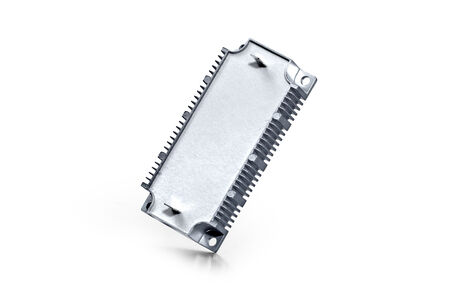
The wirewound resistor is one of the most established resistor technologies. It consists of a resistance wire wound around an insulating core. This simple robust design makes it reliable and durable. These characteristics are particularly valued in industrial environments.
The advantages of wirewound resistors become especially apparent when handling high short-term energy pulses.
Typical wirewound resistor applications include:
An overview of the different wirewound resistor series can be found on our wirewound resistors product page.
Wirewound resistors are characterized by
At the same time, they can be manufactured in a wide range of sizes and adapted to different application requirements. As a result, they are suitable for numerous applications in automotive, industrial, and power electronics markets.
This versatility forms the basis for the wide range of wirewound resistor applications.
Robust construction and simple design
Their solid construction makes them resistant to mechanical stress, vibration, and temperature fluctuations. They are considered reliable all-round components and offer dependable performance in applications where other resistor technologies may be more sensitive.
High pulse-handling capability
This makes them particularly suitable for pre-charge applications as well as automotive and industrial power electronics applications where high short-term loads occur.

We support you in selecting the most suitable resistor solution for your requirements.
Wirewound resistors play an important role in automotive technology, especially with the growth of electromobility:
In pre-charge circuits in particular, the ability to absorb high short-term energy pulses is critical. Properly designed wirewound resistors are therefore especially well suited for this application.
Wirewound resistors are also widely used in industrial applications. Typical areas of use include:
These applications often go beyond standard functions and involve safety-critical tasks where reliability is essential.
Have questions about wirewound resistors? We're here to help. Contact us now.
